
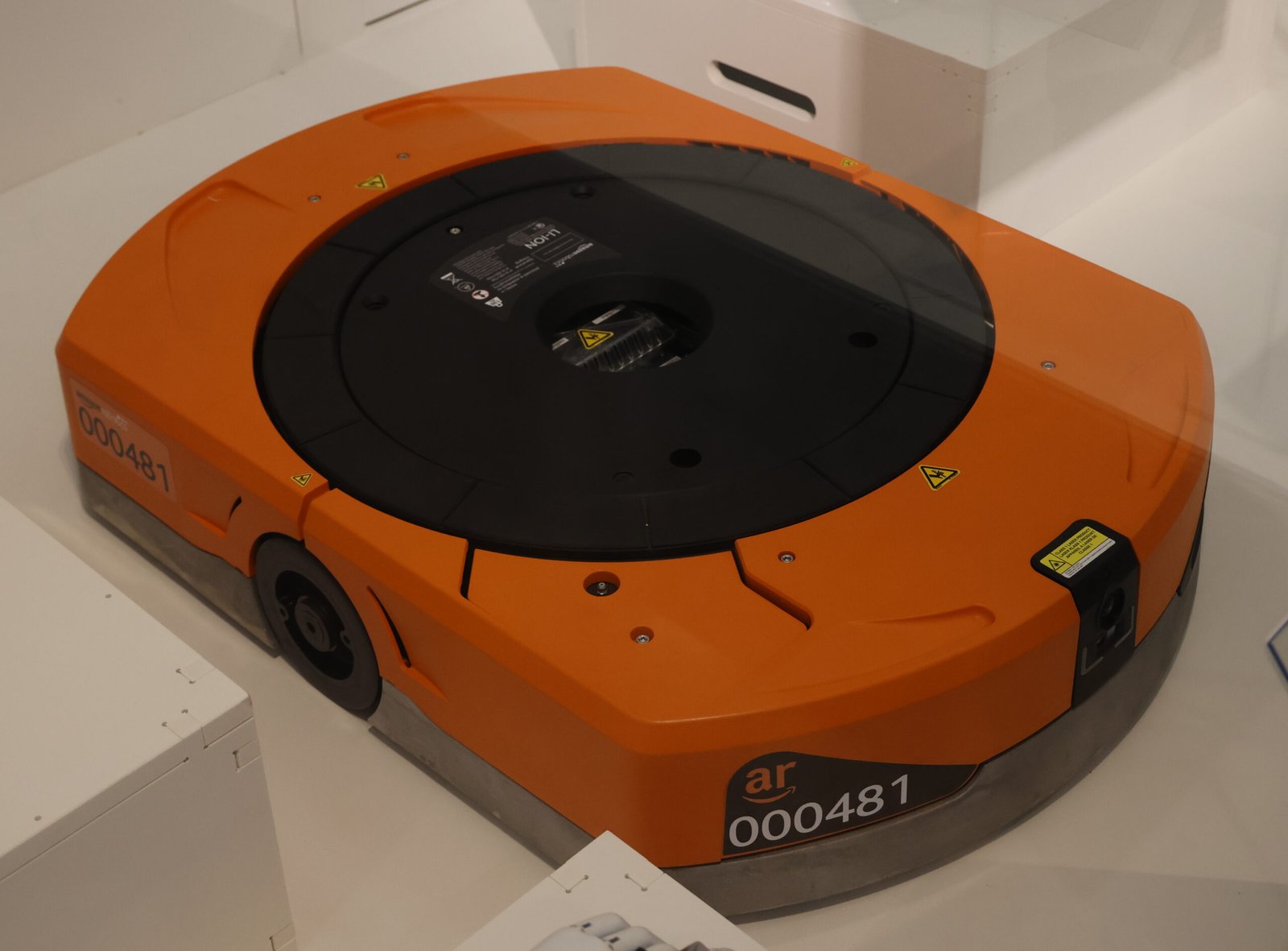
Autonomous robotics is progressing beyond controlled demonstrations and into environments where machines must work safely alongside people. Warehouses, laboratories, hospitals, farms, and inspection teams are all exploring how robots can handle repetitive or hazardous tasks.
The important advances are not limited to movement. Robots also need perception, planning, clear failure handling, and interfaces that help people understand what the system is doing. In many settings, the best model is collaboration rather than complete replacement.
As autonomous machines become more capable, testing, safety standards, maintenance, and human oversight will remain as important as raw performance. The strongest deployments will combine automation with carefully designed operational boundaries.